Mastering the Inspection Period: Tactical Negotiation Secrets Every Buyer's Agent Needs
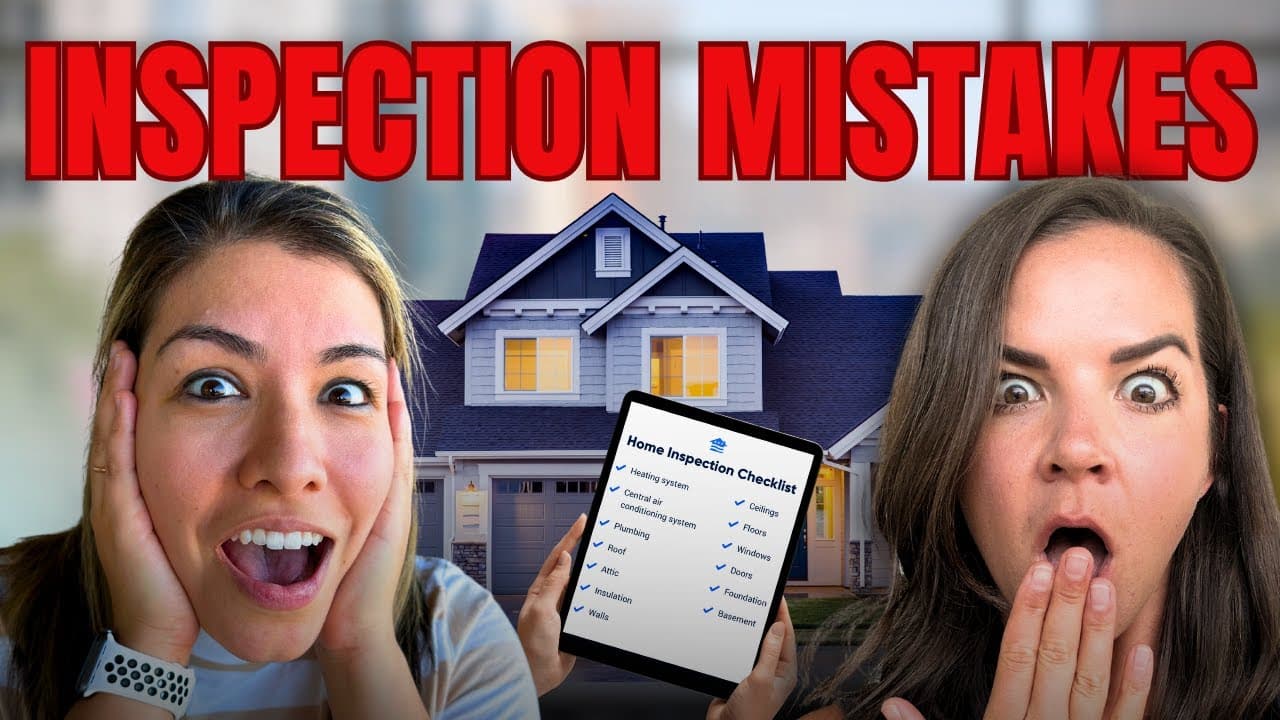


Have you ever landed a property under contract, felt like an absolute rockstar, and then realized you now have to survive the dreaded inspection period? Inspections can make or break your deal, and if you do not navigate this phase with tactical precision, you are leaving your client's money and your hard-earned reputation on the table.
The Specialty Inspection Playbook: Why General Inspectors Aren't Enough
Most agents fall into the trap of ordering a standard general home inspection and calling it a day. In our businesses, we take a completely different approach by bypassing the middleman and going straight to the specialists.
While a general inspector gives you a high-level overview of the home, they rarely provide the depth required for heavy negotiations. They are bound by strict liability limitations, meaning they will easily defer issues to a licensed specialist anyway.
To win big for our buyers, we recommend building a trusted roster of specialty vendors to inspect these core systems immediately:
- Pest and Termite (WDI): This is the only strictly required inspection for VA loans in Arizona, but it is a non-negotiable safety net for any buyer. Termites are silent killers that can cause tens of thousands of dollars in hidden structural damage.
- HVAC Specialist: General inspectors might just check if the air feels cool, but a specialist will test the static pressure, inspect the heat exchanger, and check the overall life expectancy of the system.
- Plumbing and Sewer Scope: Never let a client buy a home without running a camera down the main sewer line. A collapsed pipe under a slab or yard can cost up to $15,000 to repair.
- Roofing Inspector: In many markets like Arizona, roof inspections are often performed for free by licensed roofers who can give you a direct, actionable estimate.
- Electrical Specialist: From outdated federal pacific panels to double-tapped breakers, an electrician will spot safety hazards that generalists easily overlook.
- Pool and Spa: If the property has a pool, hire a separate pool service technician to inspect the shell, pumps, filters, and heaters.
"When you hire a specialist, they do not just find the problem—they give you a certified, line-itemed quote to fix it. We use these real-world bids to demand exact dollar-for-dollar credits at the closing table."
The Shower Valve Story: Why You Must Double-Check the Inspections
As a listing agent, you have to be highly protective of your seller's bottom line. General inspectors often write up scary-sounding issues simply because they do not understand how to operate specific modern fixtures.
We recently had a listing in Kentucky where the buyer's inspector claimed the shower valve was completely broken. The buyer's agent sent a contractor who claimed they would have to rip out the drywall and the tub enclosure to fix the valve, quoting thousands of dollars.
Instead of blindly trusting their contractor, we drove over to the property to investigate. With a quick flick of a secondary diverter switch hidden on the valve, the shower turned on with perfect pressure. Had we trusted the inspector, our seller would have been out thousands of dollars for a perfectly functional system.
As an agent, it is your fiduciary responsibility to understand the mechanics of the home. Do not be afraid to meet vendors at the property, ask questions, and verify the findings yourself.
Navigating Regional Variables: Radon, Septic, and Mold
Every real estate market has unique environmental factors that dictate your inspection strategy. What is standard practice in the Southwest might be completely irrelevant in the Midwest or Southeast.
Radon Testing
In states like Kentucky and Minnesota, radon is a major health concern, and testing is standard practice. In Arizona, radon is practically non-existent in residential transactions, and local associations do not even provide standard radon disclosures.
Sewer vs. Septic
While metro areas rely on city sewer lines, rural properties will require a separate septic dye test and tank pumping inspection. Always verify which system the property uses before your inspection period starts.
Mold and Air Quality Trends
Mold and environmental air quality testing have skyrocketed in popularity. However, mold testing requires lab analysis, which dramatically increases your timeline. If your client is on the fence about mold, order it on Day 1 because the standard 10-day inspection window is rarely enough time to get lab results back.
The Ultimate TC Hack: Instantly Convert Inspections into Contractor Bids
If scheduling five different specialists within a tight 10-day window sounds like a logistical nightmare, you need to leverage your Transaction Coordinator (TC) and modern technology.
Many local MLS markets now feature specialized estimation services. You simply upload a standard general home inspection PDF, and these companies utilize local building data to return a comprehensive, builder-grade contractor estimate for every single defect listed in the report.
This provides your buyer with the exact same negotiating power as a stack of individual specialist bids, without the headache of coordinating multiple vendor visits to the home.
Master Class Negotiation Tactics: How to Present Your Repair Requests
Successfully navigating the inspection period is not just about finding defects; it is about how you package and present those defects to the listing agent.
1. Pick Up the Phone First
Never just drop a repair request in an agent's inbox without calling them first. Use this call to feel out the listing agent's tone, understand the seller's motivation, and position yourself as a collaborative partner who wants to make the deal work.
2. The "What We Didn't Ask For" Strategy
When you submit your repair request, have your TC write a highly strategic email detailing the massive list of issues your buyer is graciously choosing to ignore.
For example, if the inspection revealed $15,000 worth of cosmetic and minor electrical issues, explain to the listing agent that your buyer is focusing strictly on the core safety items. By showing the seller what you are not asking for, your actual repair request looks incredibly reasonable and is far more likely to be accepted.
3. Write Clear, Action-Oriented Verbiage
Vague requests lead to half-assed repairs. When writing your repair amendment, do not simply copy and paste sentences from the inspection report. Use precise, actionable language specifying exactly what needs to be done, such as "licensed electrician to replace double-tapped breakers in the main panel."
Navigating inspections is an art form that separates hobbyist agents from true top producers. By implementing these tactical strategies, you will protect your clients, save more deals, and build a reputation as a fierce, detail-oriented negotiator.
Ready to scale your real estate business with systems, checklists, and a community of high-producing agents? Join the Five Pillars Nation community and subscribe to The Agent Goldmine podcast for weekly tactical tips straight from the trenches!